
Neurofeedback Expert In Indonesia
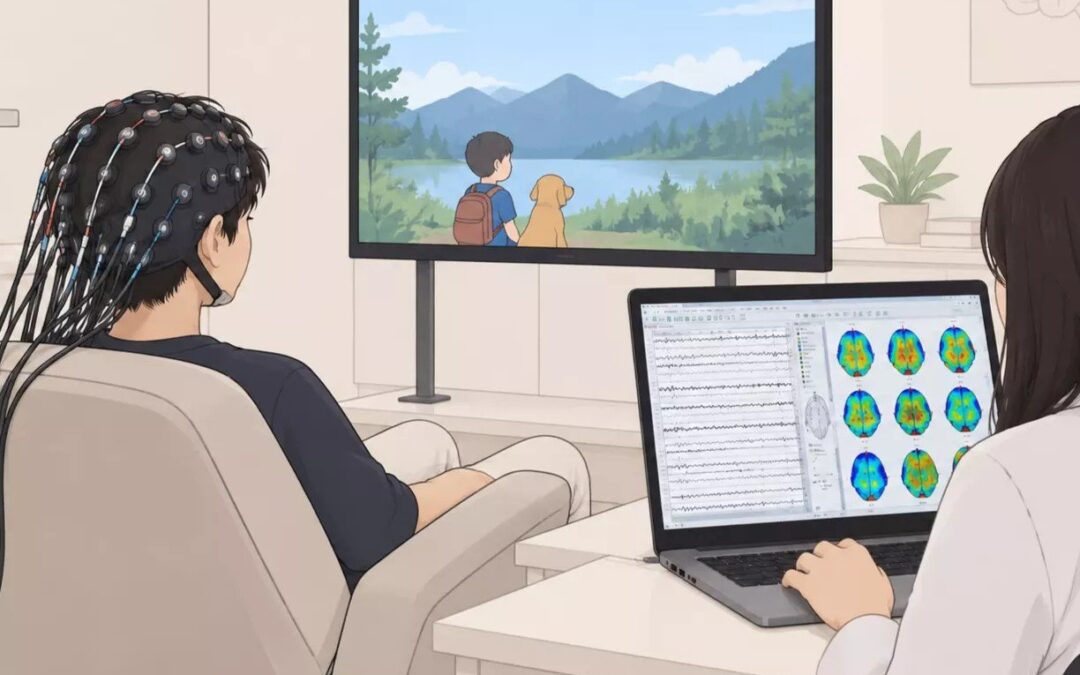
When facing developmental challenges such as ADHD/ADD, Autism Spectrum Disorder (ASD), and learning disabilities (LD), as well as psychological issues such as anxiety, depression, and OCD, many families in Indonesia feel stuck. A qualified neurofeedback therapy expert in Indonesia can help families explore individualized support options alongside appropriate clinical care. Conventional approaches within the local healthcare system may focus primarily on pharmacological interventions and, in some cases, long-term medication dependencies.
However, as global awareness of the importance of comprehensive and individualized mental healthcare continues to grow, technology-based approaches involving modern brain science are increasingly being explored. Among the modalities receiving growing interest are Neurofeedback Therapy and 21-Channel QEEG Brain Mapping, alongside non-invasive neuromodulation approaches such as transcranial direct current stimulation (tDCS) and transcranial alternating current stimulation (tACS).
The crucial question is: Who are the truly competent neurofeedback therapy experts in Indonesia? Amid the emergence of new clinics that acquire standard equipment without necessarily having extensive expertise in its application, how can families distinguish between a practitioner who is still developing their experience and a specialist with a substantial, verified clinical background?
The following is a comprehensive guide to understanding the neurofeedback expertise landscape in Indonesia.
A Local Misconception: Why a Medical Degree Alone Is Not Enough

In Indonesia, there is a common misconception that only medical doctors—such as pediatricians or psychiatrists—are the most competent professionals for addressing conditions such as ADHD or anxiety disorders.
It is important to recognize, however, that neurofeedback and non-invasive neuromodulation modalities such as tDCS, AVE, CES and tACS have traditionally not been part of the standard medical-school curriculum in Indonesia. Consequently, many Indonesian medical professionals only began receiving introductory education or basic formal training in these areas during the 2020s, as interest in applied neuroscience and technology-assisted care grew.
This observation is not intended to diminish the important role of medical doctors, psychiatrists, psychologists, therapists, or other healthcare professionals. Rather, it underscores the importance of specialized education, supervised clinical experience, and multidisciplinary collaboration when evaluating providers of neurofeedback and non-invasive neuromodulation services.
Traditional medical and psychiatric education focuses substantially and primarily on pharmacology, including the management of symptoms through medication. Neurofeedback and neuromodulation, meanwhile, are specialized fields within psychophysiology and applied neuroscience that involve training or influencing brain and nervous-system function through technological methods.
An expert neurofeedback practitioner should therefore be assessed not only by professional title, but also by their:
- Data Precision: Ability to interpret raw electrical brainwave data accurately and within the appropriate clinical context.
- Customization: Experience in developing multimodal interventions tailored to each individual’s neurological and functional profile.
- Clinical Safety: Understanding of assessment limitations, contraindications, informed consent, and appropriate clinical referral.
- Collaboration: Willingness to coordinate care with qualified medical and mental-health professionals when necessary.
- Credential Lineage: Relevant education, certification, professional supervision, and documented clinical experience.
Early Development of Neurofeedback and Non-Invasive Neuromodulation in Indonesia
This historical context is also relevant when considering expertise in Indonesia. Brain Optimax began offering neurofeedback and non-invasive neuromodulation modalities across Indonesia in 2009. From the outset, the organization worked in collaboration with schools and therapy centers, providing adjunctive pediatric neurotherapeutic support for children with learning disabilities (LD), ADHD, Autism Spectrum Disorder (ASD), and other neurodevelopmental needs.
These services were positioned as complementary support within a broader care framework, rather than as a replacement for medical diagnosis, psychological assessment, educational intervention, behavioral support, or other clinically indicated treatments. Collaboration with schools and therapy centers helped facilitate a more integrated approach to supporting children and their families.
As interest in applied neuroscience has expanded, it has become increasingly important for families to distinguish between the historical availability of a service and the qualifications of an individual practitioner. A clinic’s equipment alone does not establish clinical expertise. Families searching for a neurofeedback expert in Indonesia should ask about the practitioner’s training, supervision, assessment procedures, experience with the relevant population, safety protocols, outcome monitoring, and collaboration with other healthcare professionals.
Expertise Lineage: Tracing the Pioneers’ Influence in Indonesia
To find credible neurofeedback therapy specialists, it is useful to examine their track records, professional history, and the individuals or institutions from whom they acquired their knowledge. In the field of applied neuroscience, responsible clinical practice should not be based solely on an equipment manufacturer’s user manual.
As one of the early organizations to introduce these technologies to Indonesia, the Brain Optimax clinical team has developed more than 30 years of combined integrated clinical experience. This expertise was shaped through guidance, consultation, and mentorship from international luminaries who contributed to the development of modern neurofeedback practice:
- Jay Gunkelman (QEEG Board Fellow): A widely recognized figure in the field who has reviewed more than 500,000 brain scans worldwide. During the early stages of neurofeedback development in Indonesia, Jay Gunkelman was involved in interpreting Brain Optimax’s EEG data and provided expert input regarding the standardization of artifact detection and data quality.
- Dr. Siegfried and Sue Othmer: Developers of the Othmer Method, including Infra-Low Frequency training. Their work is recognized internationally and has been explored in supporting individuals with challenges involving arousal regulation, including some children with Autism and people affected by trauma. Members of the Brain Optimax founding team received direct training at their headquarters in the United States.
- Dr. Jonathan Walker: A pioneering neurologist who bridged traditional clinical neurology and QEEG-guided neurofeedback. Brain Optimax's specific protocols for learning difficulties (LD) were refined through private consultations and his detailed analysis of patients' data.
- Dr. Robert Turner: A highly accomplished adult and pediatric neurologist, epileptologist, and clinical neurophysiologist. Holding multiple academic and research positions across the US, Dr. Turner serves as a vital mentor to Brain Optimax's lead clinical team, reading the EEGs of our pediatric patients requiring an expert pediatric neurologist's perspective.
Choosing the Right Provider: A Multi-Modality Checklist
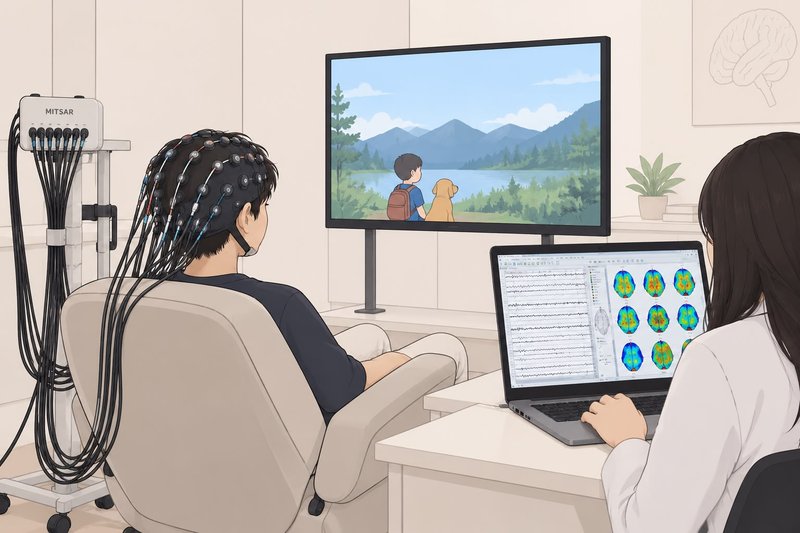
When selecting a neurofeedback or non-invasive neuromodulation provider, families should consider more than the presence of advanced equipment or claims of rapid results. Ensure your provider utilizes a broad toolkit that maps both the central and peripheral nervous systems, including HEG Biofeedback, CES, AVE, and integrated talk therapy.
Before booking a session, ask these critical diagnostic questions:
- What formal training and supervised experience does the practitioner have?
- How are 21-channel QEEG and other assessment data collected, interpreted, and incorporated into treatment planning?
- Does the provider explain the potential benefits, limitations, risks, and alternatives in clear language?
- Are treatment goals individualized and monitored over time?
- Does the provider work collaboratively with physicians, psychologists, therapists, educators, and other relevant professionals?
- Are medical conditions, medications, contraindications, and safeguarding considerations properly reviewed?
A responsible provider should communicate transparently, avoid guarantees of outcomes, and present neurofeedback or neuromodulation as part of an individualized, multidisciplinary care plan where appropriate. For families comparing providers, the most reliable neurofeedback expert in Indonesia is not necessarily the person with the most prominent medical title or the newest equipment. Relevant education, appropriate supervision, a substantial clinical track record, ethical communication, and a commitment to coordinated care are more meaningful indicators of professional competence.
Choose the Neurofeedback Experts in Indonesia You Can Trust
Do not let your clinical care be compromised by generic treatments or boilerplate technology. Schedule an expert-led, comprehensive brain-based psychoneurophysiological assessment with Indonesia’s original pioneers.