
Neuroplasticity: Can tDCS and tACS Influence the Brain?
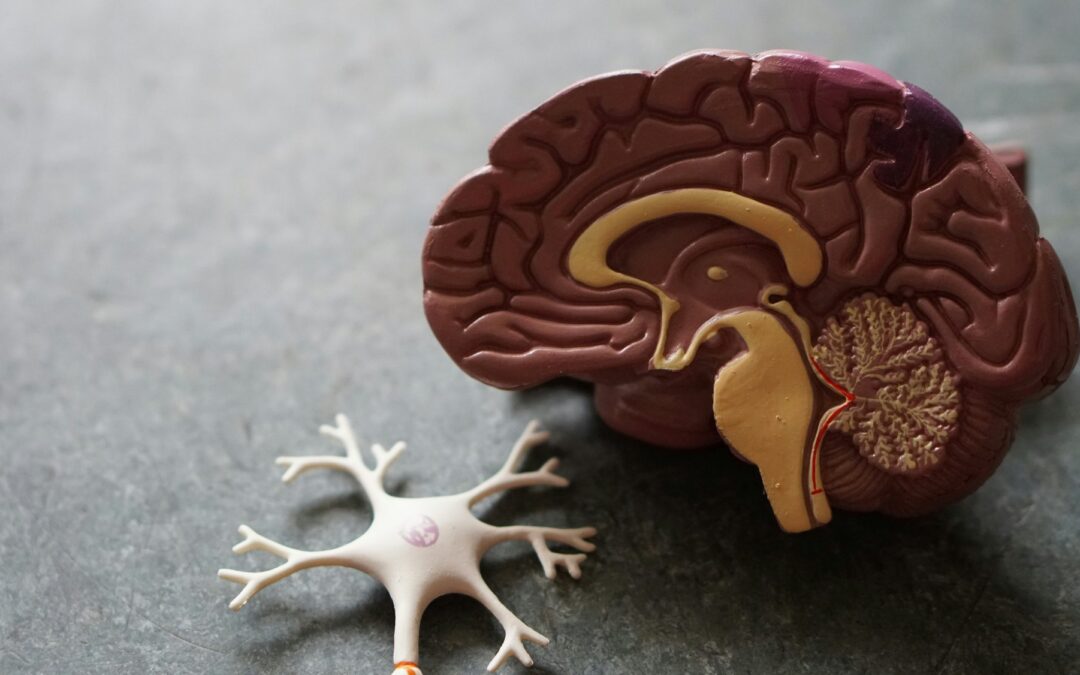
Your brain adapts when you learn a new skill, such as riding a bicycle or speaking a new language. This ability is known as neuroplasticity. But can techniques such as tDCS and tACS influence how the brain adapts?

What is Neuroplasticity?
Neuroplasticity refers to the brain’s ability to adapt by changing and reorganising its connections in response to the environment (Costandi, 2016). For example, when a child learns to speak, read, or write, their brains processes new information and adapts accordingly. Connections between neurons can become stronger or weaker depending on patterns of brain activity.
However, neuroplasticity does not work in exactly the same way for everyone. Individual differences, learning experiences, and the surrounding environment can all influence how the brain adapts.
Can tDCS and tACS Influence Neuroplasticity?
tDCS and tACS use low-intensity stimulation to interact with brain activity in different ways:
- tDCS uses a relatively constant electrical current that can influence how responsive the brain is to stimulation. Researchers have explored the use of tDCS for various neurological and psychiatric conditions, such as motor deficits in stroke (Mosayebi Samani et al., 2019). Studies have also explored its potential to influence processes involved in learning and memory (Coffman et al., 2014).
- tACS uses an alternating electrical current that may influence the timing and synchronization of brain activity. Some studies suggest that the effects of tACS can continue even after stimulation ends. For example, Wischnewski et al. (2019) found that tACS increased beta brainwave activity and excitability for at least an hour after stimulation. Their findings also suggested that tACS may influence processes involved in strengthening connections between brain cells. Research has also explored the effects of tACS on cognitive functions. Grover et al. (2023) reviewed 102 studies and reported positive findings across several cognitive areas, including attention, working memory, and long-term memory.
Results from these techniques may vary according to stimulation parameters and individual differences. More research is being done to further understand how reliably tACS and tDCS can influence neuroplasticity and cognitive performance. To learn more about these techniques, visit our article on non-invasive neuromodulation using tDCS and tACS.
Learning Still Matters

Brain stimulation such as tDCS and tACS does not replace the experiences and processes of learning a new skill. Learning still requires active participation, practice, and experience.
Researchers are also exploring whether combining brain stimulation with cognitive training or learning activities could support the learning process. The aim is to investigate whether stimulation can complement existing learning approaches.
The Adapting Brain
The concept of neuroplasticity reminds us that our brains are constantly adapting to the environment. While researchers are still investigating the effects of tDCS and tACS, these techniques offer interesting possibilities for influencing brain activity and processes associated with neuroplasticity. Understanding their potential and limitations can help us learn more about the relationship between brain activity, learning, and cognitive function.
To learn more about Brain Optimax’s services, visit our website or contact our team.
References:
- Coffman, Clark, & Parasuraman (2014): Battery powered thought: Enhancement of attention, learning, and memory in healthy adults using transcranial direct current stimulation
- Costandi (2016): Neuroplasticity
- Grover, Fayzullina, Bullard, Levina, & Reinhart (2023): A meta-analysis suggests that tACS improves cognition in healthy, aging, and psychiatric populations
- Mosayebi Samani, Agboada, Jamil, Kuo, & Nitsche (2019): Titrating the neuroplastic effects of cathodal transcranial direct current stimulation (tDCS) over the primary motor cortex
- Wischnewski, Engelhardt, Salehinejad, Schutter, Kuo, & Nitsche (2019): NMDA receptor-mediated motor cortex plasticity after 20 Hz transcranial alternating current stimulation